
Day Trading for Beginners: A Practical Guide to the Entire Session
Follow the entire day-trading workflow, from preparation and conditional setups to execution checks, closing reconciliation, and review.
All information on this website is provided for educational and informational purposes only and does not constitute financial, investment or trading advice. Trading involves risk, including the possible loss of capital. Read the full disclaimer
Trading Hub
Intraday preparation, setups, execution, risk, and review. Learn through 15 illustrated guides and a fictional session practice lab.
15 LESSONS ยท STRUCTURED LEARNING
Learn account rules, watchlists, opening ranges, VWAP, liquidity, exits, and daily risk. Each lesson includes original graphics and worked exercises. Put the concepts into practice with fictional prices.
Start with Lesson 1 Open the Day Trading Practice Lab
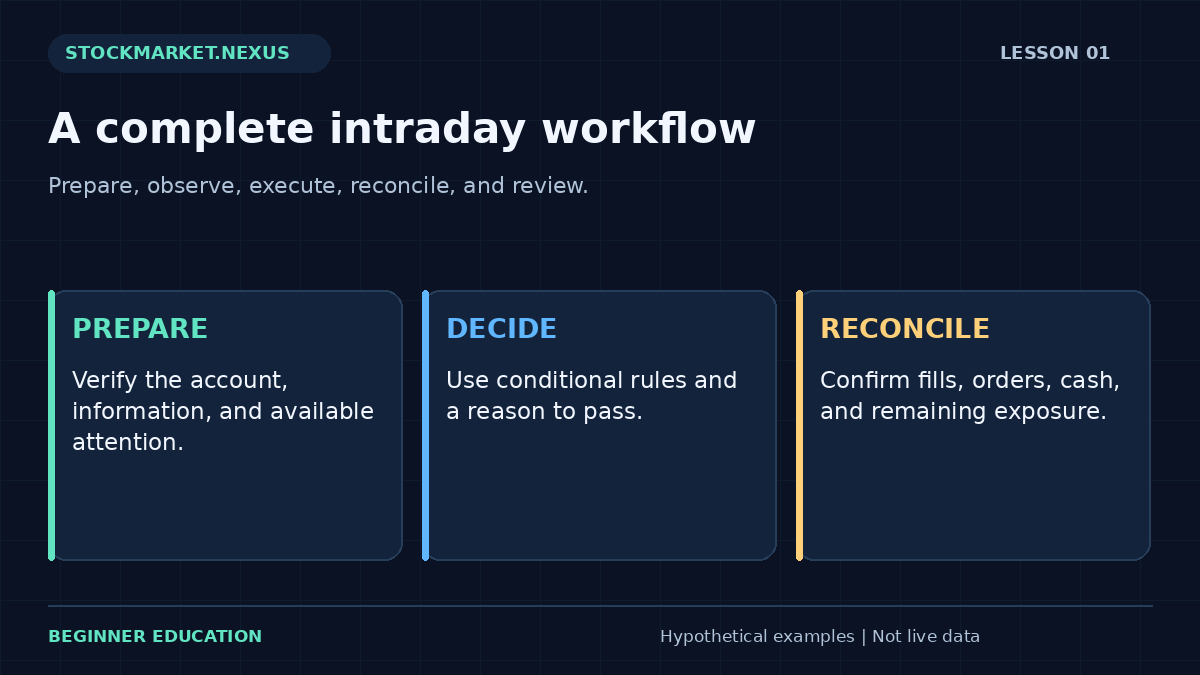
Follow the entire day-trading workflow, from preparation and conditional setups to execution checks, closing reconciliation, and review.
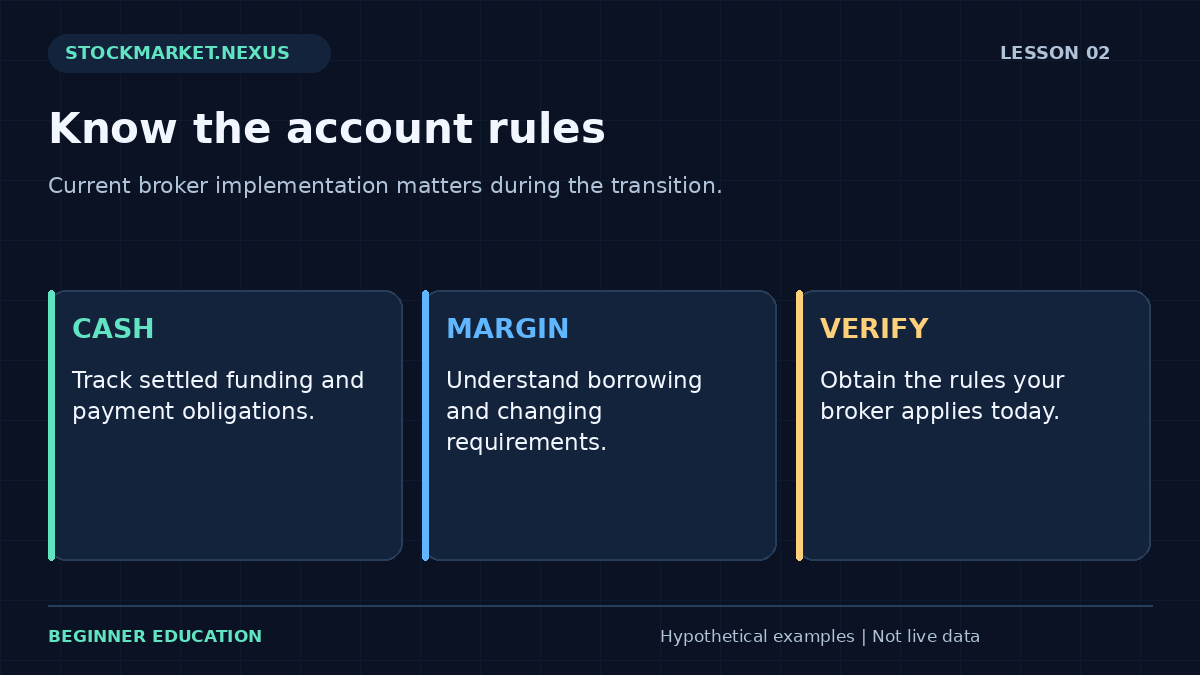
Understand cash and margin accounts, settlement, broker controls, and the current U.S. intraday-margin transition without relying on stale shortcuts.
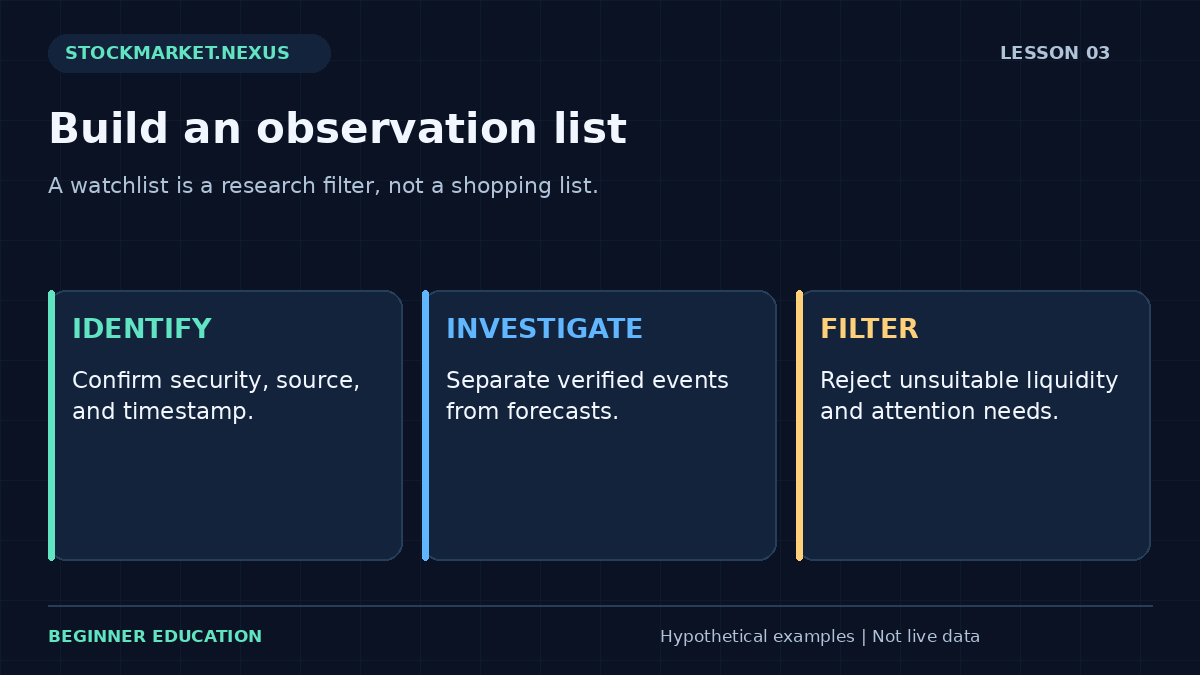
Create a small premarket observation list using verified events, liquidity, conditional setups, and explicit reasons to pass.
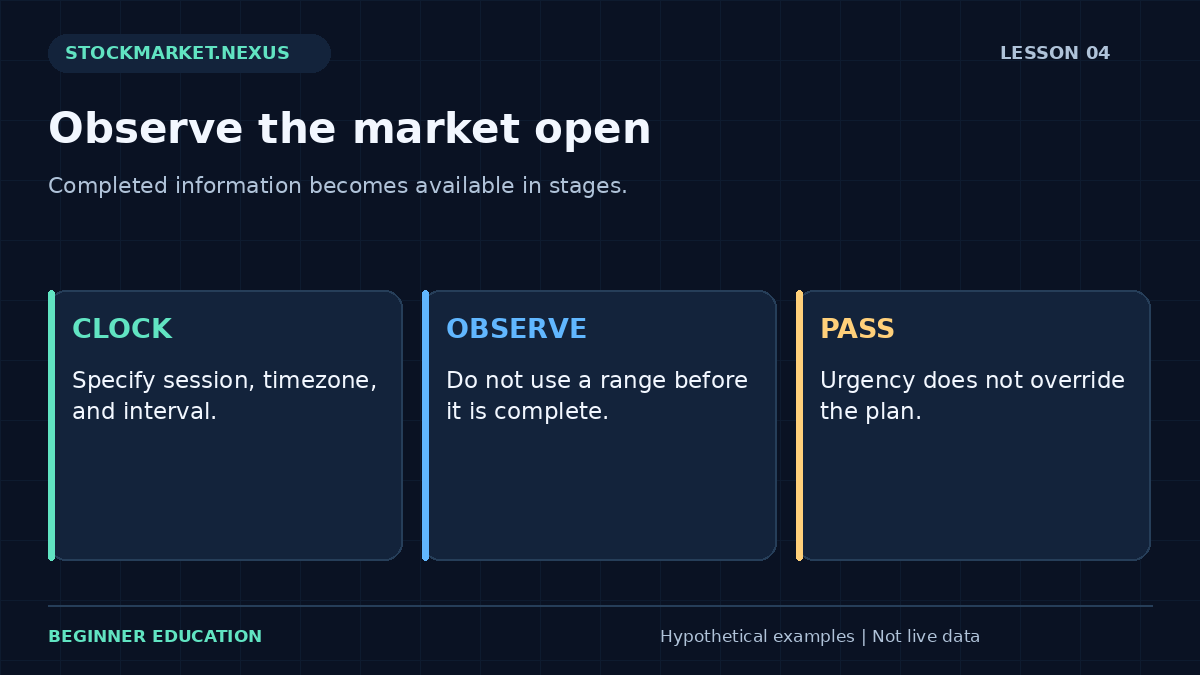
Observe the opening period with clear timestamps, completed ranges, quote checks, and a practical no-trade framework.
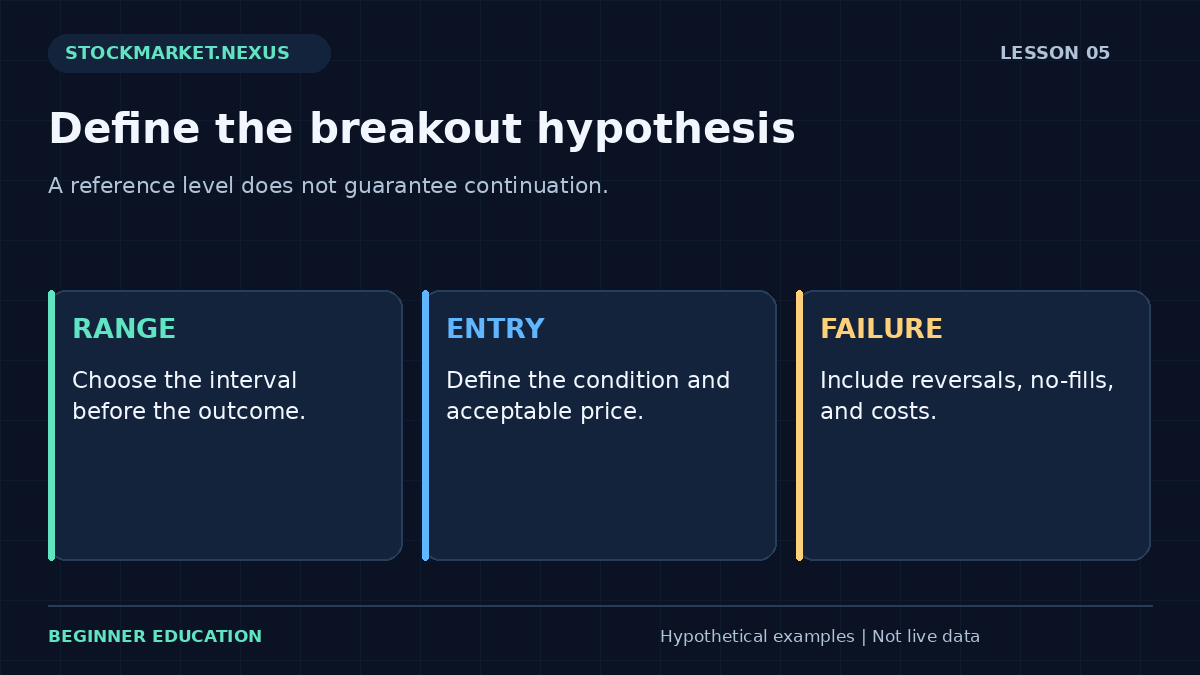
Define an opening-range hypothesis, calculate quantity, model failed breaks, and evaluate the method without hindsight or idealized fills.
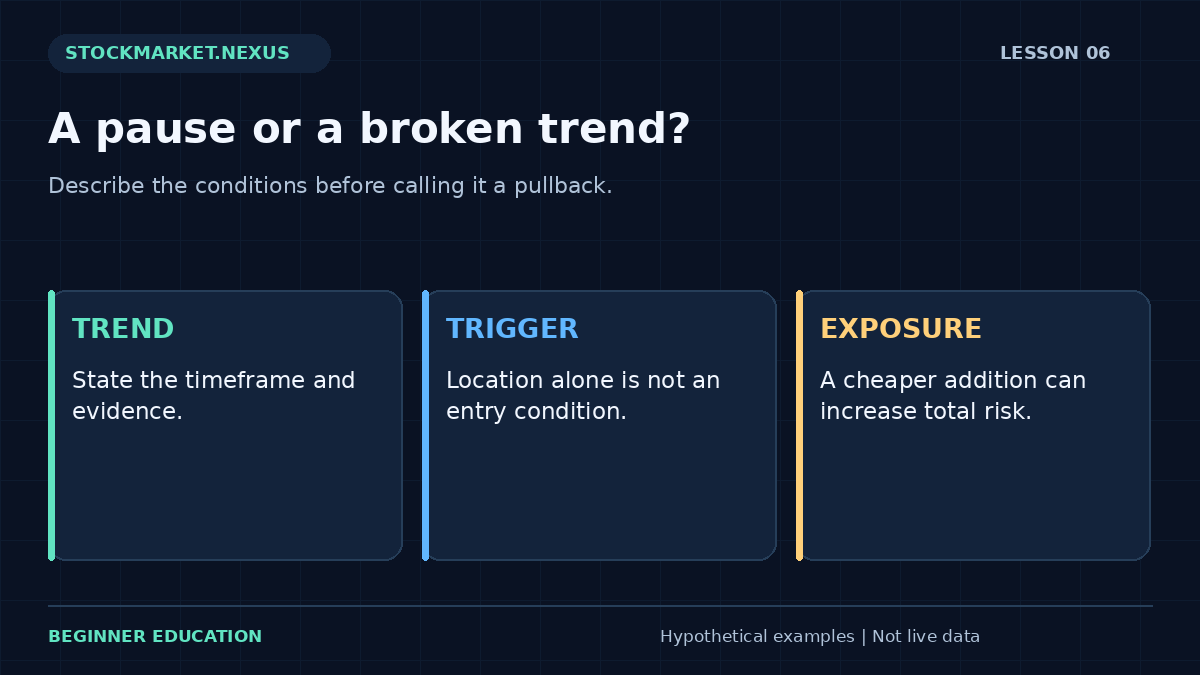
Distinguish a pullback from invalidation, separate location from an entry trigger, and calculate the consequences of adding exposure.
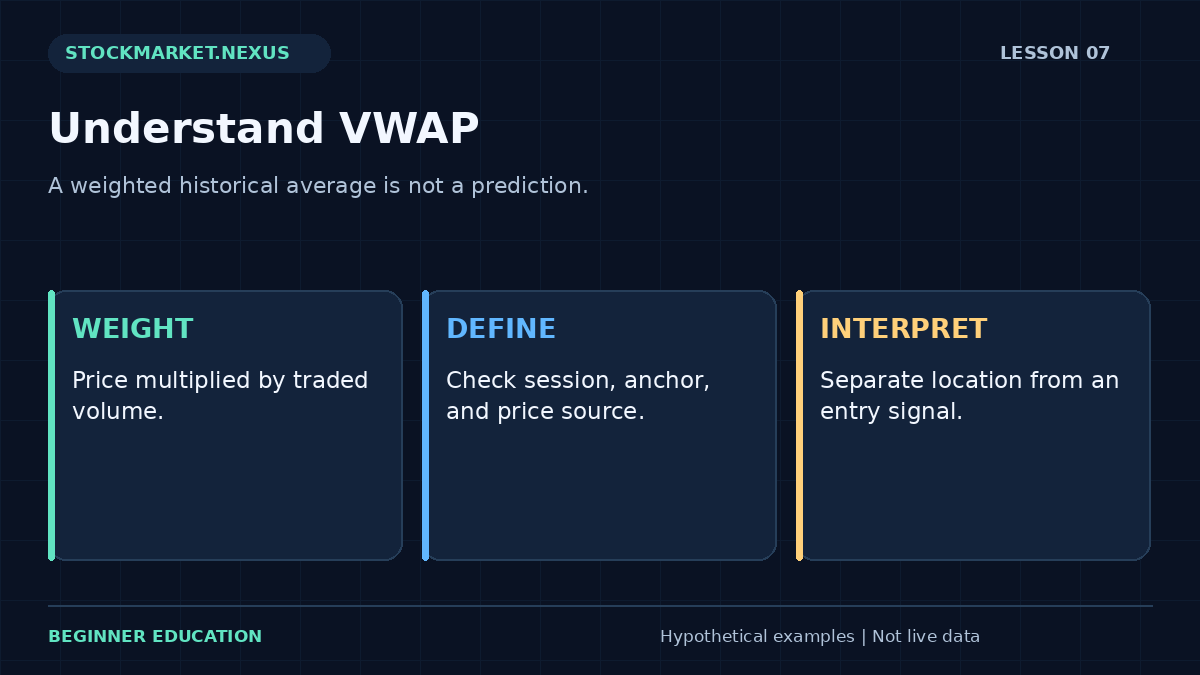
Calculate a volume-weighted average, verify indicator settings, and distinguish a historical benchmark from a trading signal.
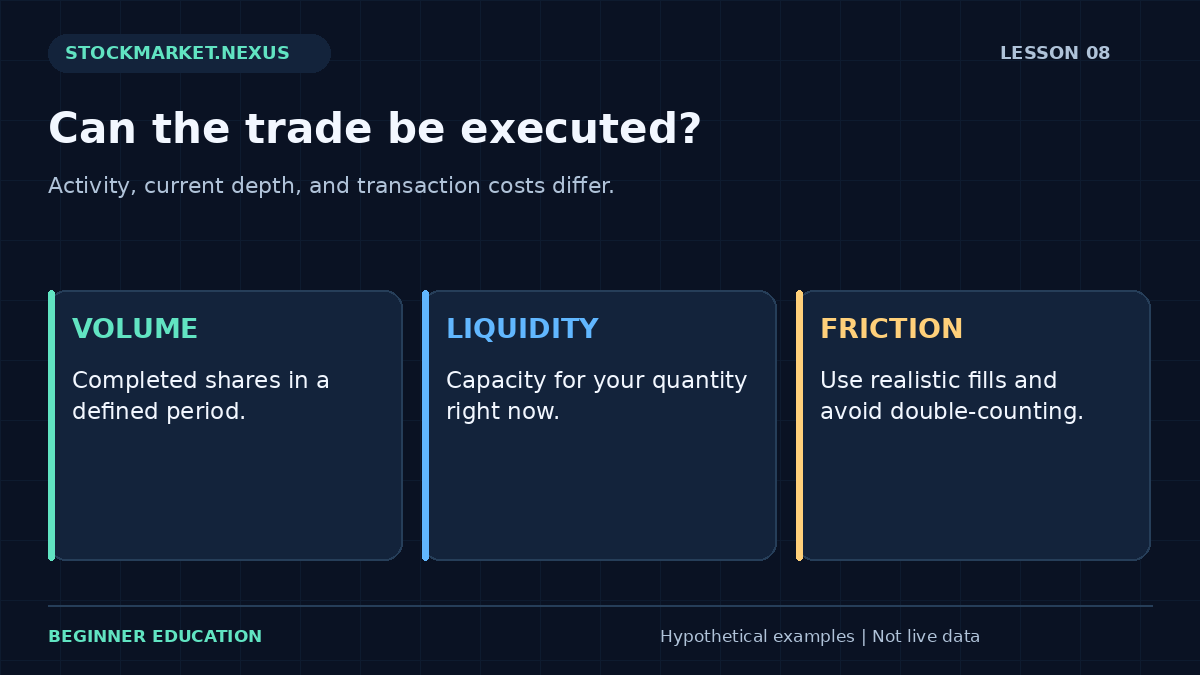
Compare volume, relative activity, depth, spreads, slippage, and net execution costs with worked intraday examples.
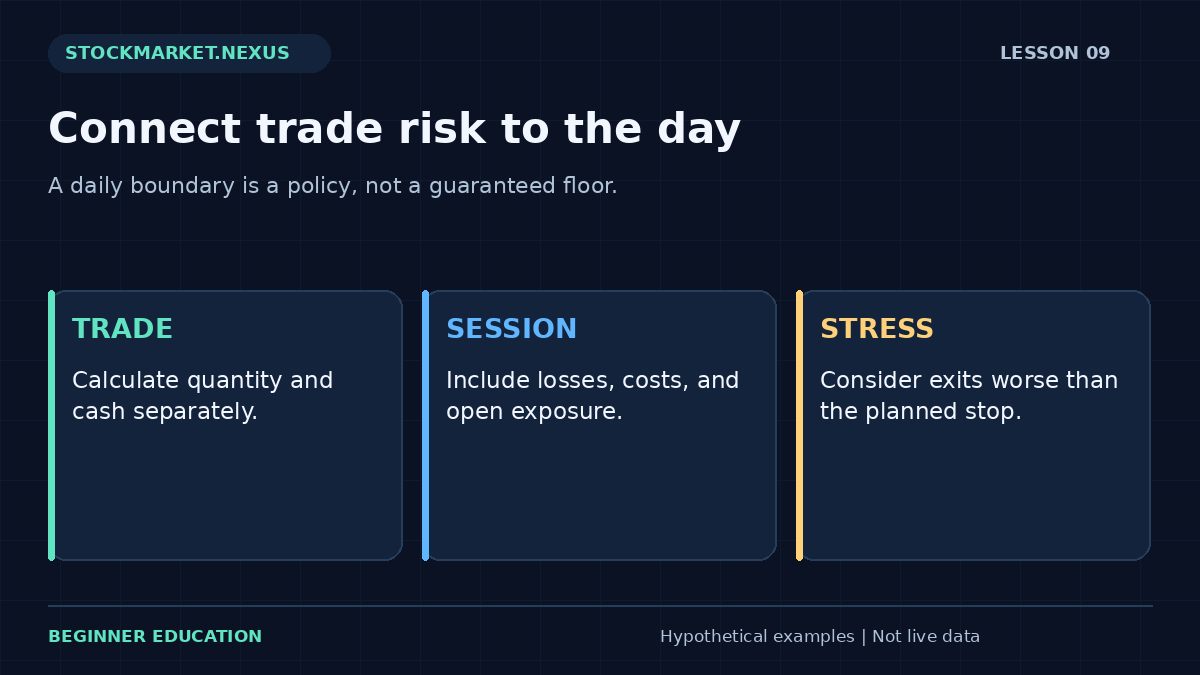
Connect a single trade with cash limits, costs, realized losses, open exposure, daily boundaries, and worse-exit scenarios.
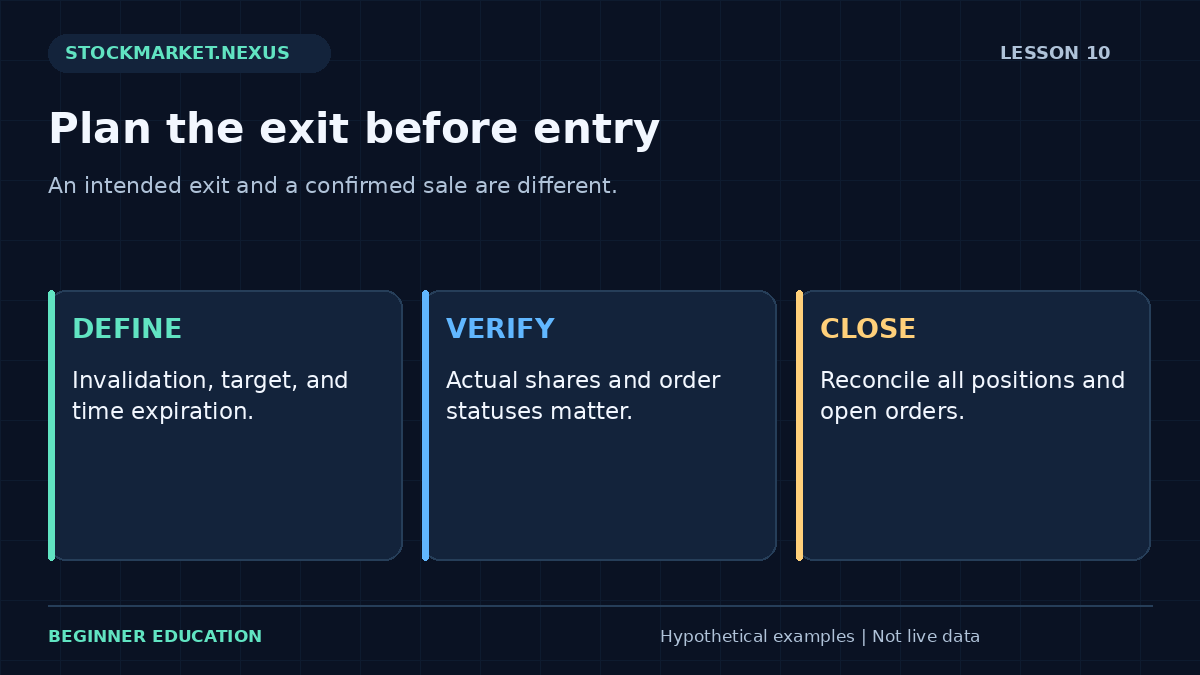
Plan stops, targets, time exits, partial fills, and closing checks while understanding what each instruction can and cannot guarantee.
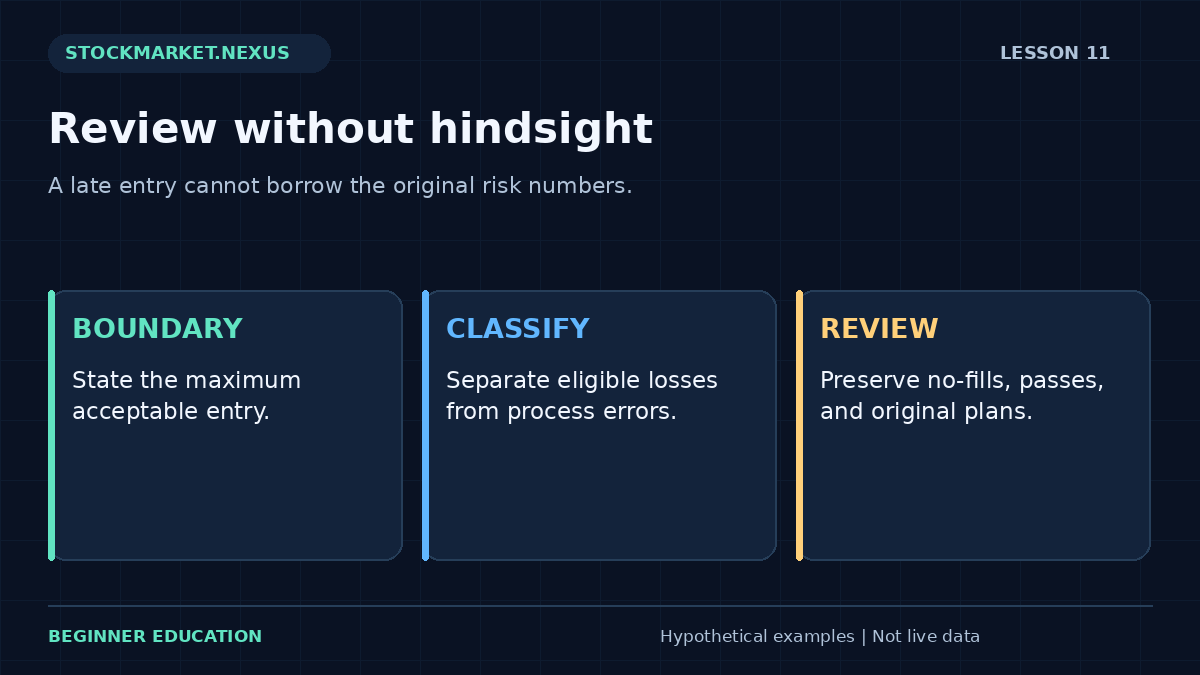
Identify how chasing changes risk, classify failed setups accurately, and use a decision worksheet that preserves the original evidence.
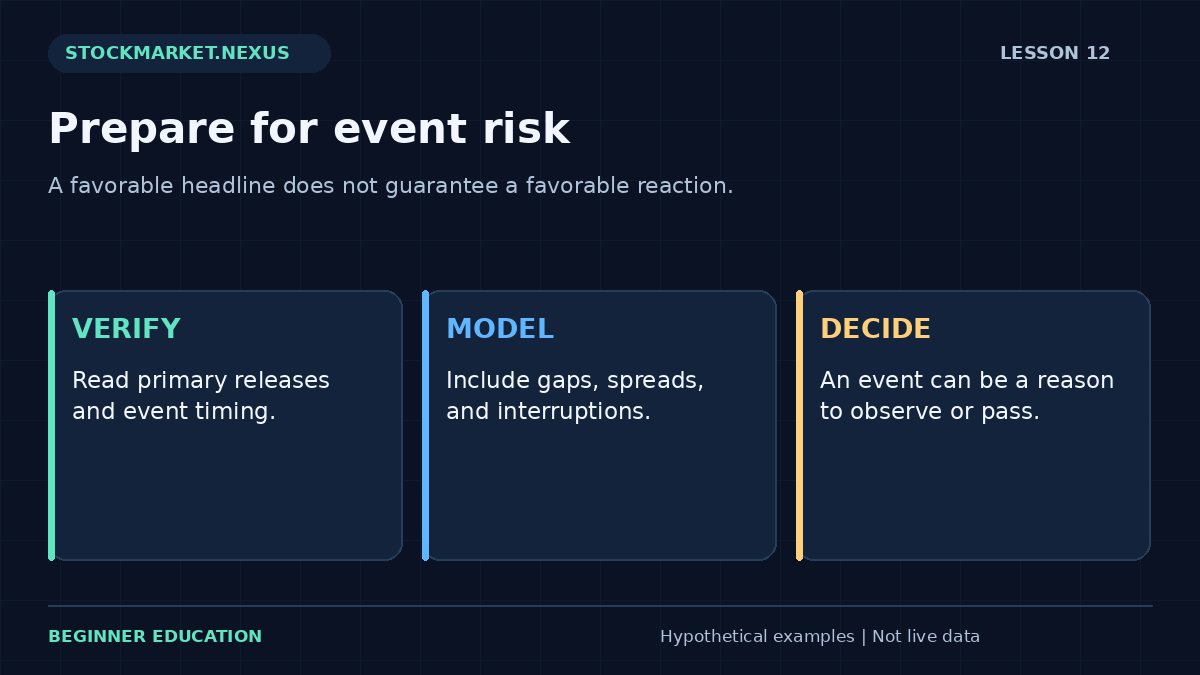
Prepare for announcements, verify primary information, and assess gaps, widened spreads, halts, and uncertain execution.
Get daily AI insights, market updates, and trade opportunities delivered to your inbox.